
Every modern enterprise depends on software. From customer-facing platforms to back-end systems, software powers daily operations, fuels innovation, and enables rapid growth. Yet, this same software landscape has become a prime target for cyberattacks. The reason is simple. Software is no longer built in isolation. It is assembled from a complex network of components, including open-source libraries, third-party APIs, cloud services, and vendor-supplied code.
A weakness in any one of these links can compromise the entire chain. This is why the security of the software supply chain has emerged as one of the most urgent priorities for organizations worldwide. It is no longer enough to protect the perimeter of your network. Security must be embedded at every stage of the development and delivery process.
This is where the philosophy and practice of DevSecOps becomes critical.
Understanding the Software Supply Chain Threat Landscape
Over the past decade, software delivery has shifted from monolithic releases to fast, continuous deployment cycles. While this evolution brings agility and speed, it also introduces a wider attack surface.
Modern software typically includes:
- Thousands of lines of third-party code from open-source projects
- Components from external vendors
- Cloud-native services that operate outside an organization’s direct control
- Continuous integration and continuous deployment (CI/CD) pipelines that automate delivery
Attackers have adapted to this new reality. Instead of trying to breach hardened systems directly, they focus on exploiting weaknesses further upstream. Some of the most common attack vectors include:
- Code repository compromises where malicious actors insert harmful code into widely used libraries.
- Dependency confusion attacks that trick build systems into downloading malicious packages.
- Compromised build environments where attackers gain access to CI/CD pipelines and insert malicious artifacts into production.
- Insecure API connections that expose sensitive data.
The result is that even well-defended organizations can become victims if they unknowingly integrate compromised components.
Why DevSecOps is Essential for Modern Enterprises
DevSecOps is more than a set of tools. It is a cultural and operational shift that integrates security practices into the entire DevOps lifecycle. Instead of security being an isolated step at the end of development, it becomes a shared responsibility across teams from the very beginning.
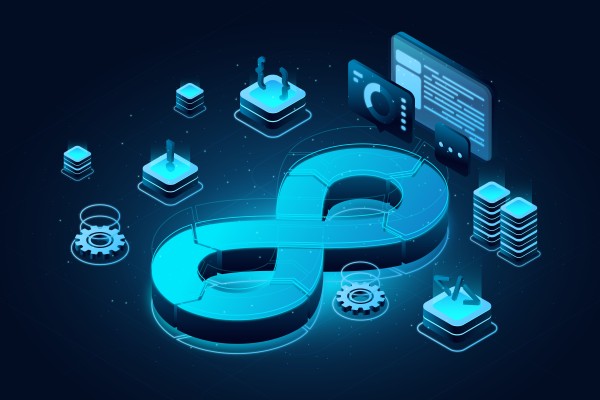
At its core, DevSecOps aims to:
- Incorporate security checks early in the development cycle, when issues are easier and cheaper to fix.
- Use tools for static and dynamic code analysis, dependency scanning, and policy enforcement directly in the CI/CD pipeline.
- Treat security rules and configurations as code, version-controlled and deployed consistently.
- Keep a watch on applications even after deployment to detect and mitigate emerging threats.
By aligning development, operations, and security teams, DevSecOps ensures that security is not a bottleneck but an enabler of speed and reliability.
Key Strategies for Securing the Software Supply Chain
1. Gain Visibility Through a Software Bill of Materials (SBOM)
An SBOM is essentially an inventory of all components within a software product. By maintaining an up-to-date SBOM, organizations can quickly identify which systems are affected when vulnerabilities are discovered in third-party components.
2. Protect the Build Environment
Securing CI/CD pipelines is critical. This includes enforcing strong authentication, using role-based access controls, and ensuring build agents are regularly updated and monitored. Every artifact should be cryptographically signed before deployment.
3. Vet Vendors and Third-Party Code
Organizations should establish strict guidelines for selecting and approving vendors. This includes verifying the security practices of external partners and conducting periodic audits of their products and processes.
4. Adopt “Security as Code” Practices
Security policies and configurations should be defined and managed just like application code. This allows changes to be reviewed, tested, and deployed in a controlled and auditable manner.
5. Invest in Continuous Education
Technology evolves rapidly, and so do attack methods. Teams must receive ongoing training in secure coding practices, threat modeling, and the use of security tools. Education transforms security from a compliance task into a proactive mindset.
Overcoming Common Barriers to DevSecOps Adoption
Despite its benefits, implementing DevSecOps in a large organization can face resistance. Common challenges include:
- Cultural silos between development, operations, and security teams
- Tool sprawl where too many disconnected tools create complexity instead of clarity
- Perceived impact on speed where teams fear security checks will slow delivery
Real-world examples show that change is possible when organizations focus on shared objectives rather than departmental boundaries. Some enterprises have successfully created “fusion teams” where developers, operations, and security specialists work side-by-side from project inception. This not only accelerates the identification of vulnerabilities but also fosters a shared sense of accountability that extends well beyond individual roles.
To overcome these challenges, leadership must prioritize collaboration, select an integrated toolchain, and measure the long-term benefits of reduced vulnerabilities against the short-term learning curve.
Measuring Success in DevSecOps
Adopting DevSecOps is not a one-time project. It is a continuous journey toward greater resilience. Progress should be measured using clear metrics such as:
- Reduction in vulnerabilities detected late in the development cycle
- Time taken to patch known security issues
- Percentage of automated security tests in the CI/CD pipeline
- Overall incident response time
Tracking these metrics helps organizations refine their practices and prove the value of their investment in security.
The Broader Business Impact of Securing the Supply Chain
Software supply chain security is not just an IT concern. It is a business-critical issue. A single breach can lead to regulatory penalties, loss of customer trust, and long-term damage to brand reputation. Conversely, demonstrating a robust approach to security can become a competitive advantage.
Customers and partners increasingly look for proof that the organizations they work with take security seriously. Certifications, transparent security policies, and demonstrable best practices can strengthen business relationships.
Looking ahead, global regulatory trends are making supply chain security not just a best practice but a compliance requirement. From the EU’s Cyber Resilience Act to U.S. executive orders on software transparency, enterprises must be prepared for more stringent rules and reporting obligations. Those who invest early in DevSecOps and software supply chain security will be better positioned to navigate these changes without disruption.
Bringing It All Together: A Holistic Approach to DevSecOps
An effective DevSecOps program balances technology, processes, and people. Automation alone cannot address every risk, and policies without the right tools will not be effective. It takes coordinated effort across teams, a commitment to continuous improvement, and leadership support.
Organizations that succeed in integrating DevSecOps into their culture will not only reduce their exposure to threats but also increase their ability to innovate quickly and confidently.

The Quint Approach

While the strategies above are clear in principle, implementing them in practice requires expertise, planning, and consistent execution. This is where Quint Consulting provides measurable value.
With deep experience in Consulting, Academy, Technology, and Human Capital services, Quint helps enterprises design, implement, and sustain effective DevSecOps programs. We assess existing capabilities, create tailored roadmaps, and help teams adopt industry best practices without disrupting ongoing projects.